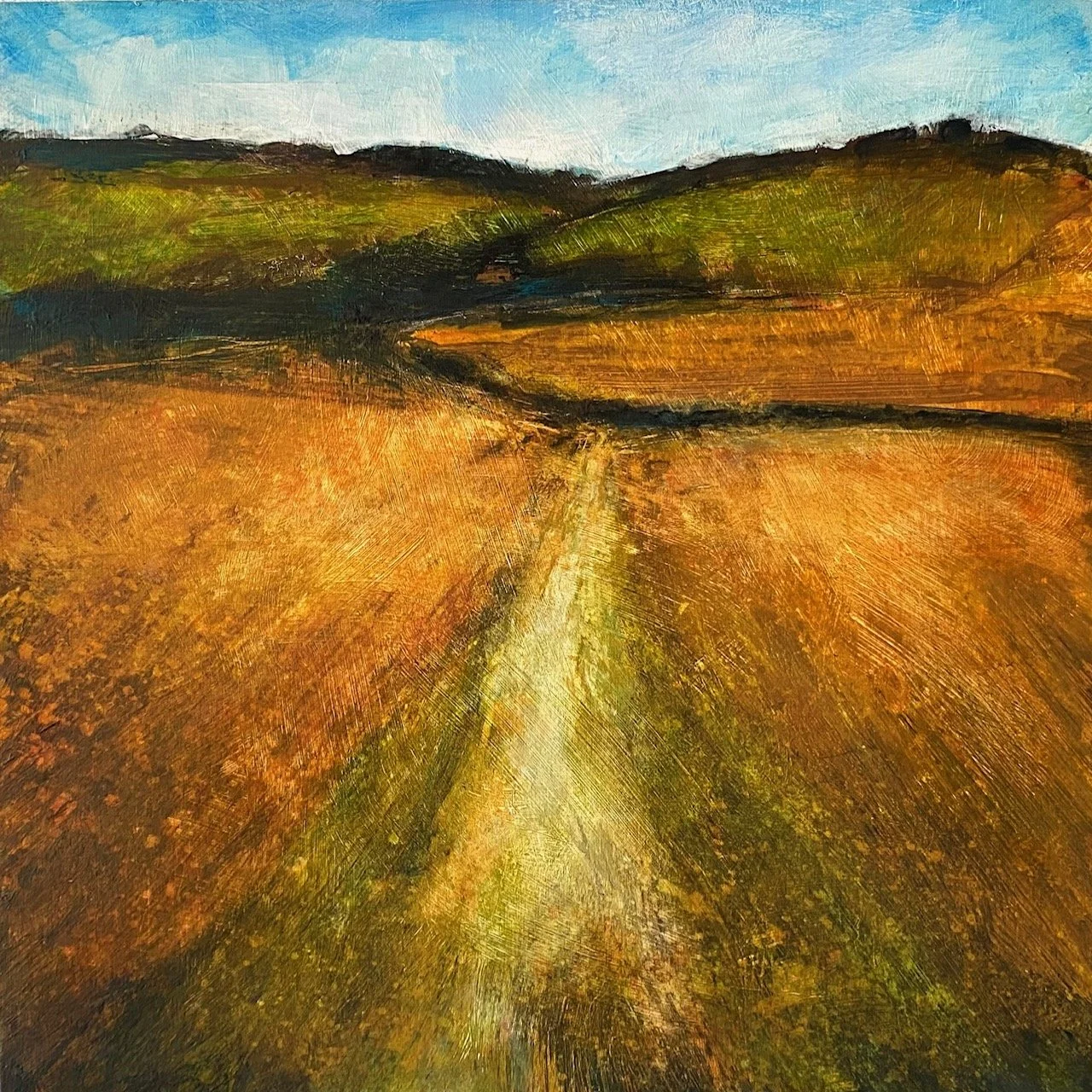
Exhibition featured artist Phil Morley
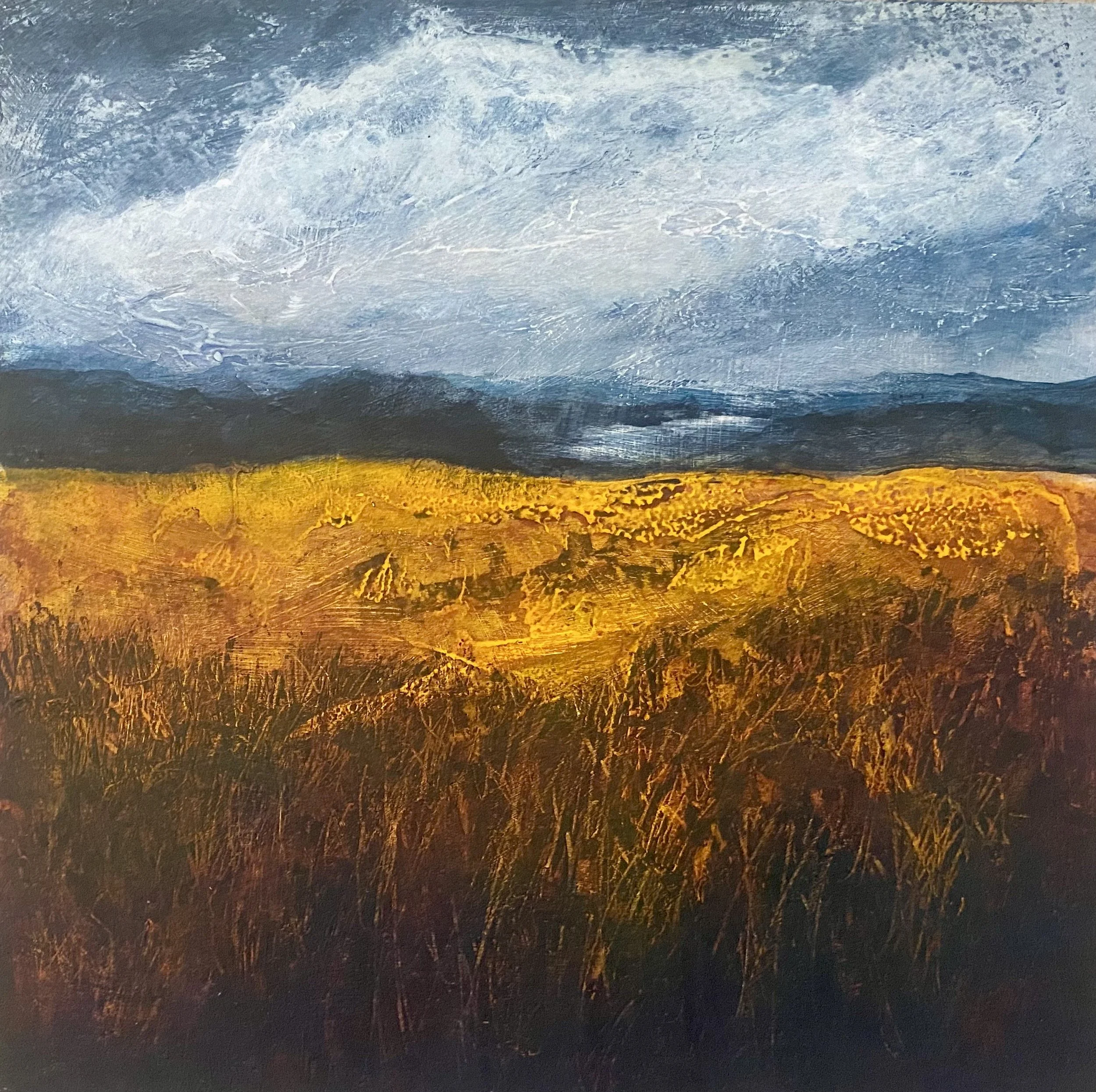
“Why you should always look back”, Acrylics on wooden panel
“I am still exploring” Phil confesses when asked about his art, “So far it’s mainly acrylic landscapes, but there is the odd mackerel”
A relative newcomer to the easel he explains that although his choice of style and materials is not yet defined, his direction is clear. “I have spent many years taking photographs to capture the landscape and my travels, especially those fleeting, unrepeatable moments when it reveals something special. And now I want to be able to revisit and reinterpret those and similar experiences through paint.”
However he readily acknowledges that he has some serious catching up to do, "I was pretty good at drawing as a kid, but dropped art at 13 and didn’t really pick up a paintbrush, aside from DIY chores, for 45 years."
“Much of my career was spent in marketing and communications and I went on to become an award-winning creative director. But I never needed to go beyond drawing stickmen sketches as I could rely on a wonderful team of designers to craft and execute my ideas.”
It was perhaps this frustration of not being able to do actual art at work that led him to notice a small poster near his office advertising an abstract landscape painting class and signing up on train home.
“I turned up to the first session early to find a group of mainly female artists behind a bunch of easels all clustered together in a corner of a large room. I was a bit confused as to why they were all squeezed so closely together leaving most of the space unoccupied. The chattering hushed as a young handsome guy in a dressing gown strode into the room. Thinking he must be the eccentric tutor, it took until he disrobed and stood posing a few feet from the throng before I realised what was going on. Turns out I didn’t read the information very carefully, the last term was abstract landscape, this term was abstract life drawing. ”
He enjoyed the class but unfortunately the art centre unexpectedly closed so he didn’t get to try out what he had intended. It wasn’t until a few years later when he reduced his working week that he tried out a class in printmaking, and the urge to create returned. He enjoyed the challenge of linocuts especially the reduction technique that required some serious reverse thinking and risk taking.
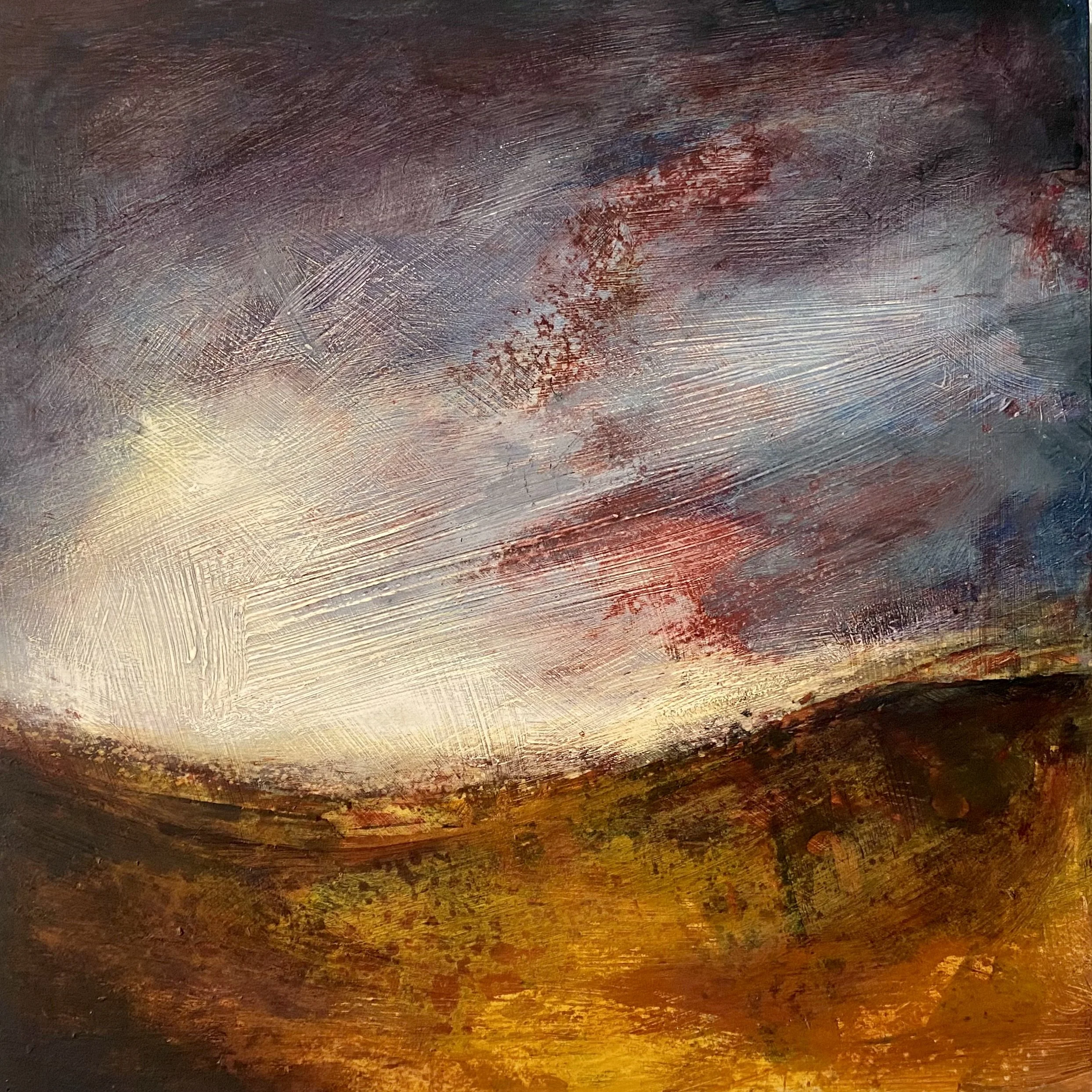
“This is why I get up early”, Acrylics on wooden panel
More recently, a friend who is a portrait painter, asked if Phil would like to join him at a life drawing class - based on his previous experience he declined, but along with another friend the three of them began meeting weekly to paint and draw and chat about the world. Phil said: “Shortly after that, I joined WWAG and did my first “proper" painting - and by that I mean that it was completed and not just making a mess with paint.
“It was of a mackerel and I was quite proud of it and showed it at my first ever exhibition – it didn’t sell but to be honest, the market for people wanting fish portraits is quite limited."
He is now focussing on landscapes and actively experimenting, “I’ve taken a few online and in-person courses and as I become more familiar with tools, materials and techniques I want to produce more abstract images. I don’t want to replace or reproduce what I get from my camera, I want to develop another means of expression that is a more emotional and subjective response.”
Phil will be sharing his progress at the West Wycombe Art Group’s Summer Exhibition as he has been selected as the featured artist. His work will be exhibited alongside the works of over twenty other exceptionally skilled artists who together form the respected West Wycombe Art Group. This exhibition is in on West Wycombe Village Hall and runs over the August Bank Holiday weekend, 28 to 31 August from 10 until 5 every day. Entry is free and most of the art is for sale.
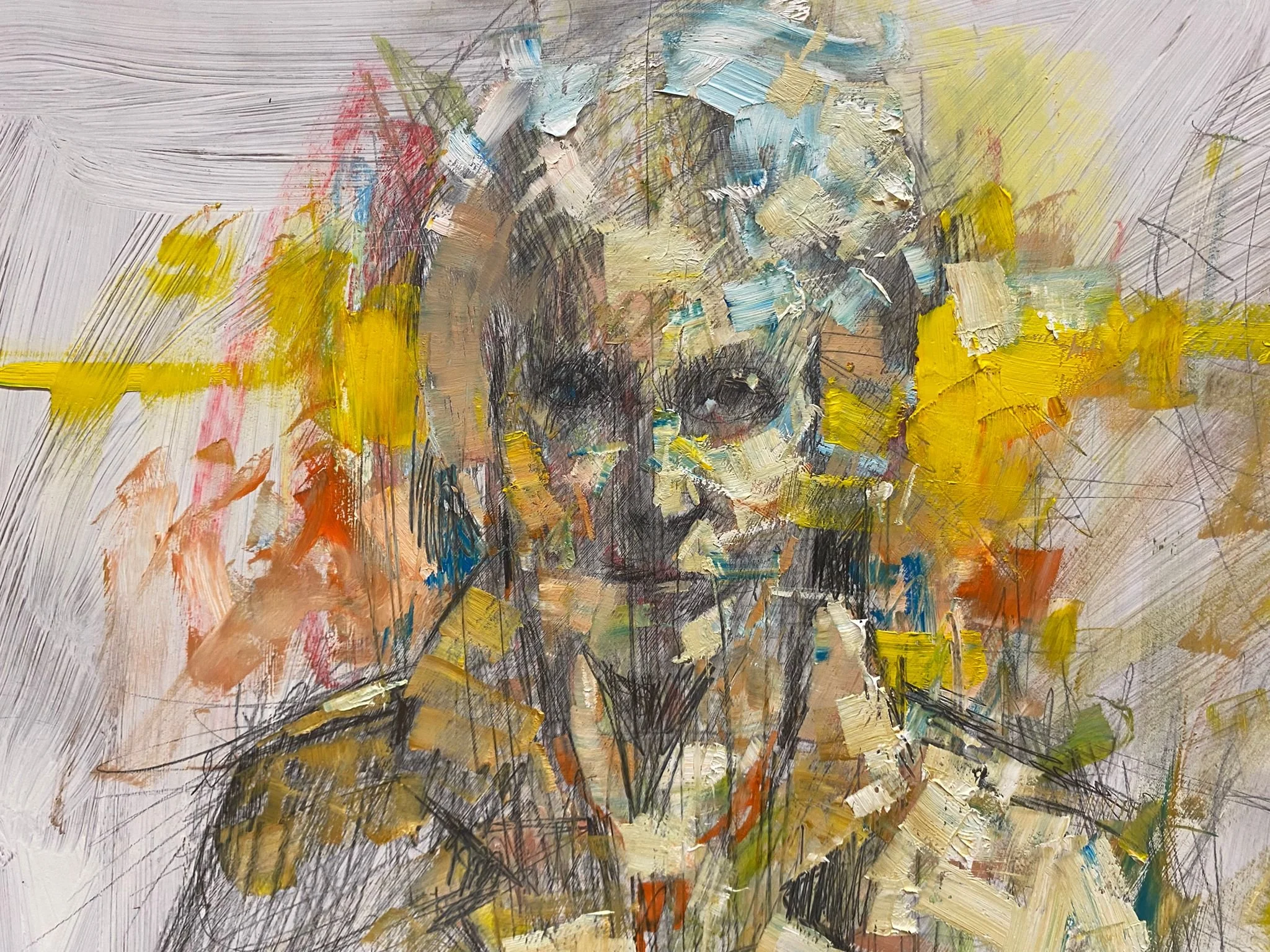
How to achieve artistic likeness? …Momentum


For any artist, the immediate wake from an exhibition can be choppy. It is a time of intense reflection, evaluation and indeed determination to get on with the next one. To make sense of this swell is to seek out an anchor point, repoint the compass and chart a course. As the storm of the West Wycombe Art Group’s Spring Exhibition passes, we looked for a safe harbour to reset and recharge.
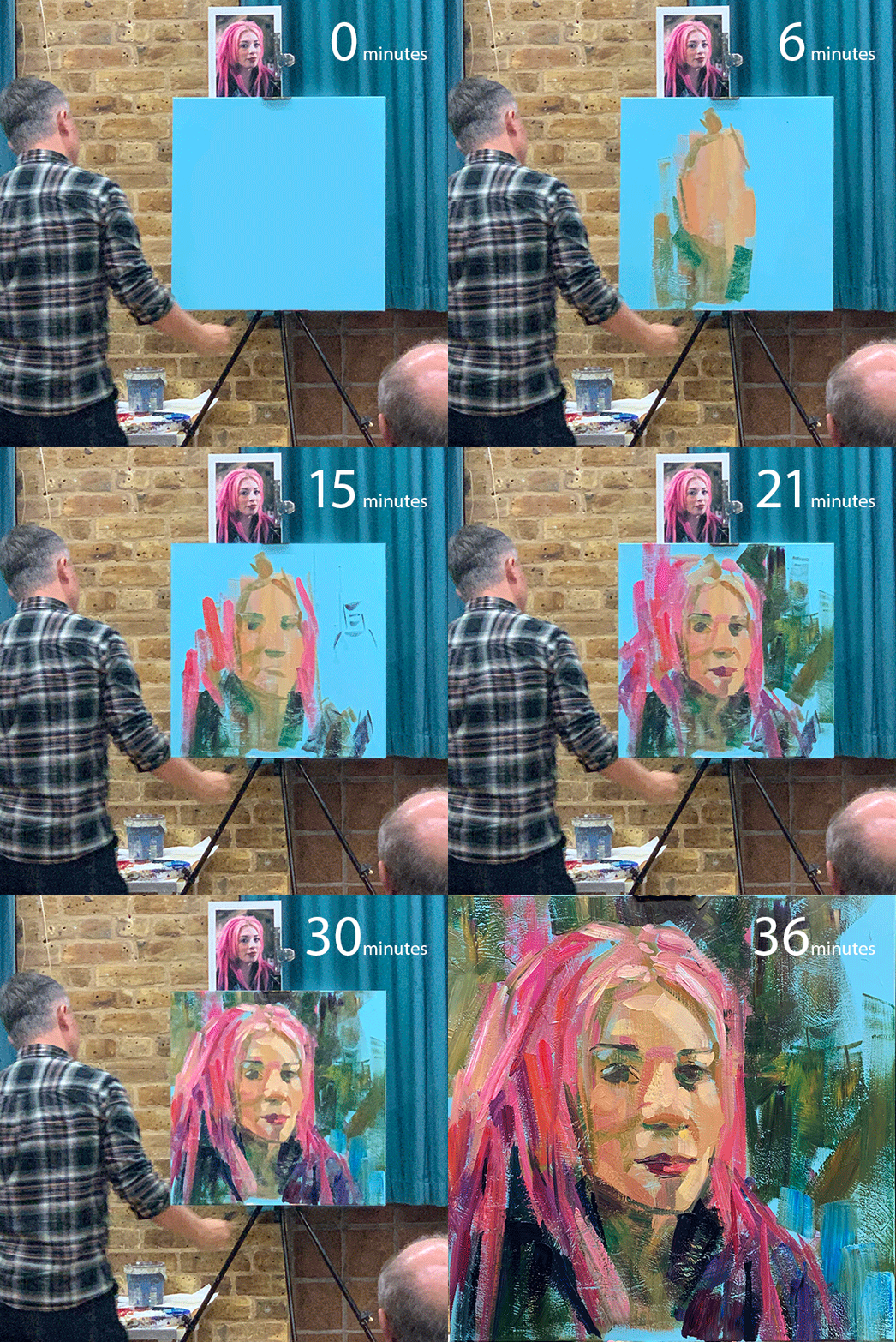
Enter Tim Robinson, a long time member of the Group, and a much admired artist with a unique expressive style. Invited to demonstrate his process for portraiture, last Monday the Group was held enraptured by Tim’s energetic and bold approach to achieving a likeness.
Tim, a highly accomplished master furniture maker by trade, brings his own flair to the canvas, or as he prefers, offcuts of plywood from his workshop. Firmer surfaces allow Tim to engage with his work far more physically. A simple emulsion primer, roughly applied, provides the ground, introducing the first layer of texture before anything further touches the panel.
“Keep the momentum going, and we may get a likeness, but hopefully, a bit of art”
Tim explains to the Group that the key is movement. Start with a line, any line, and keep it moving. A basic grid helps with the placement of features and perspective, and a carpenter’s pencil is used to make the marks. The thickness of the lead is vital; robust enough to withstand the vigour of his application, and providing the cool metallic grey that Tim prefers for shadows.
Initial graphite study on the panel
At this point Tim reflects: “Keep the momentum going, and we may get a likeness, but hopefully, a bit of art.”
A likeness certainly emerges, and a good one, of our sitter Sylvia, another favourite of the Group and the featured artist at our Spring Exhibition. Not only a likeness, but this initial graphite study is certainly a work of art in itself.
A pause now for Tim to rest, and for a breathless Group to catch up. With his advice in mind, pencils dance across surfaces, the usual scratching from soloist Tim is now a symphony, as artists attempt imitation. Those who are used to the fine detail achieved with the point of a sharpened 2B or a mechanical pencil, may find this approach anathema, but breaking free of such intentional and careful placement of line and stroke is in fact a liberation. And one in which a likeness emerges for all artists nonetheless.
Initial studies complete, Tim is ready for colour. The tool box opens to reveal a rich variety of colours across many different mediums. To begin, soft pastels introduce light indications of future intentions with oils. Lemon yellow provides illumination to the face, with touches of red to bring the subject to life. Cool blues provide a background bringing Sylvia into sharp relief. The graphite marks are preserved, and against the yellow a gentle chiaroscuro effect is created.
Over to willing students now, each to bring colour to their studies. Like the pencil work, Tim encourages momentum and discourages dwelling for too long in any one place. Colours are placed expressively and strong interpretations of Sylvia’s vibrant personality appears on each work.
Colour is applied expressively
The rich pigmentation and chroma that oil paint offers is now the focus. The drama of the still visible graphite work, and the soft light captured by the pastels, is emboldened by cadmium yellow and orange, and phthalo blue tinted with titanium white. A lighter flesh tone captures Sylvia’s warmth, offset by touches of green, mixed towards the yellow shade, for emphasis. A sight line along the axis of the eyes, again in striking cad yellow, draws focus to the face. Special attention is also paid to the hands, which Tim shares hold a deep fascination for him. The hands can be overlooked, in favour of the eyes, but Tim finds that a person’s story is to be found in their hands. “They’re quite structural,” he observes, “they really do show the light and shade quite well, and they’re quite interesting… I love the hands.” To emphasise their understated role, Tim highlights just the top of the clasped fingers with gentle tones, allowing the graphite below to reveal the tale.
“… It is panic, really. You might as well come up with a style that gives you just enough to feel you’ve done a good job”
Reaching the end of the demonstration, Tim is asked how he developed his style. “Panic,” he answers, before reflecting, “we kind of work in an environment where my only source of portraits is here - so you get a two-hour time slot to make as best a job you can. So it is panic, really. You might as well come up with a style that gives you just enough to feel you’ve done a good job. But also artistic.” Tim pauses a moment before concluding, “It wants to look artistic more than a likeness I always think.”
Tim’s finished work of art
The resulting work achieves both, capturing the essence of the subject. The Sylvia we know, warm, humorous, fun and welcoming, is shown accurately in this expressive and lively piece. Tim gets a likeness, and indeed, a work of art.
And for the Group, a haven is found, and berth secured. Encouraged by Tim’s expression and momentum, and with new techniques in mind, we can now look out to a clearer horizon, as the Summer Exhibition emerges slowly into view.
WWAG Artists admire their pieces
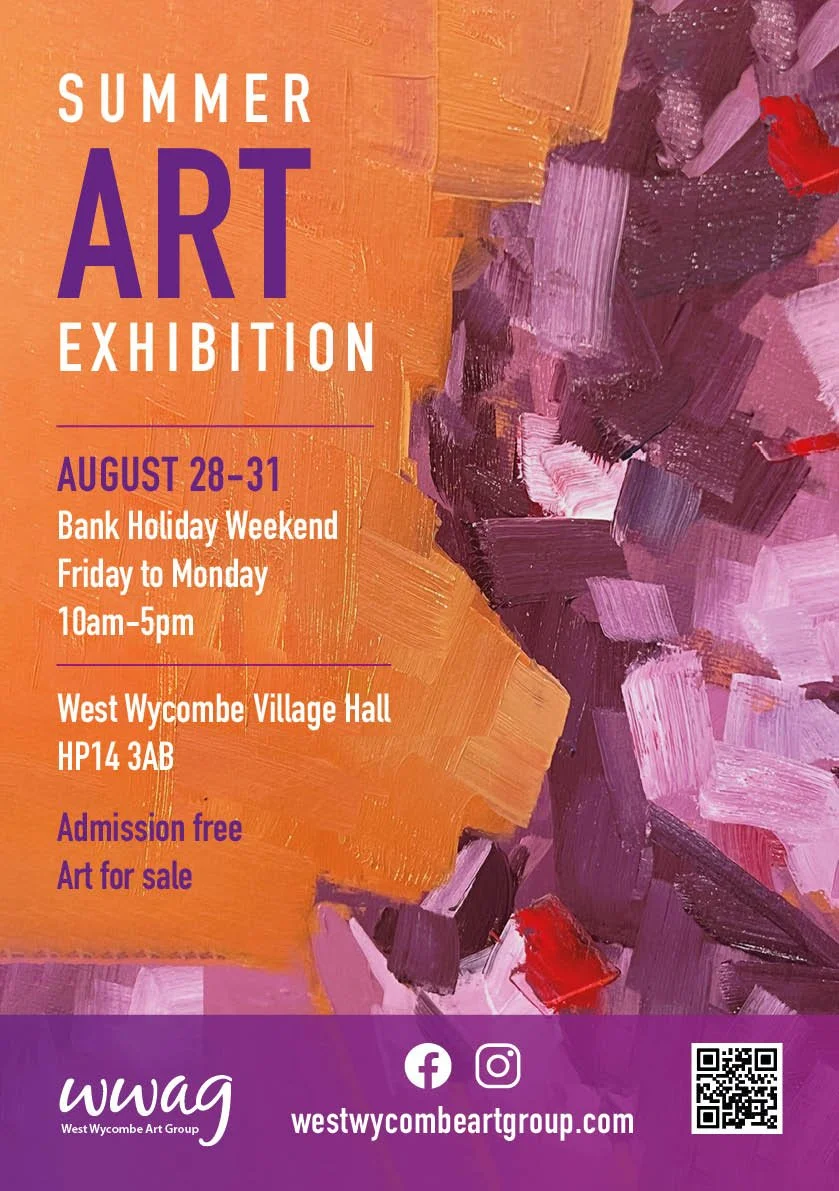
Summer Show 2026
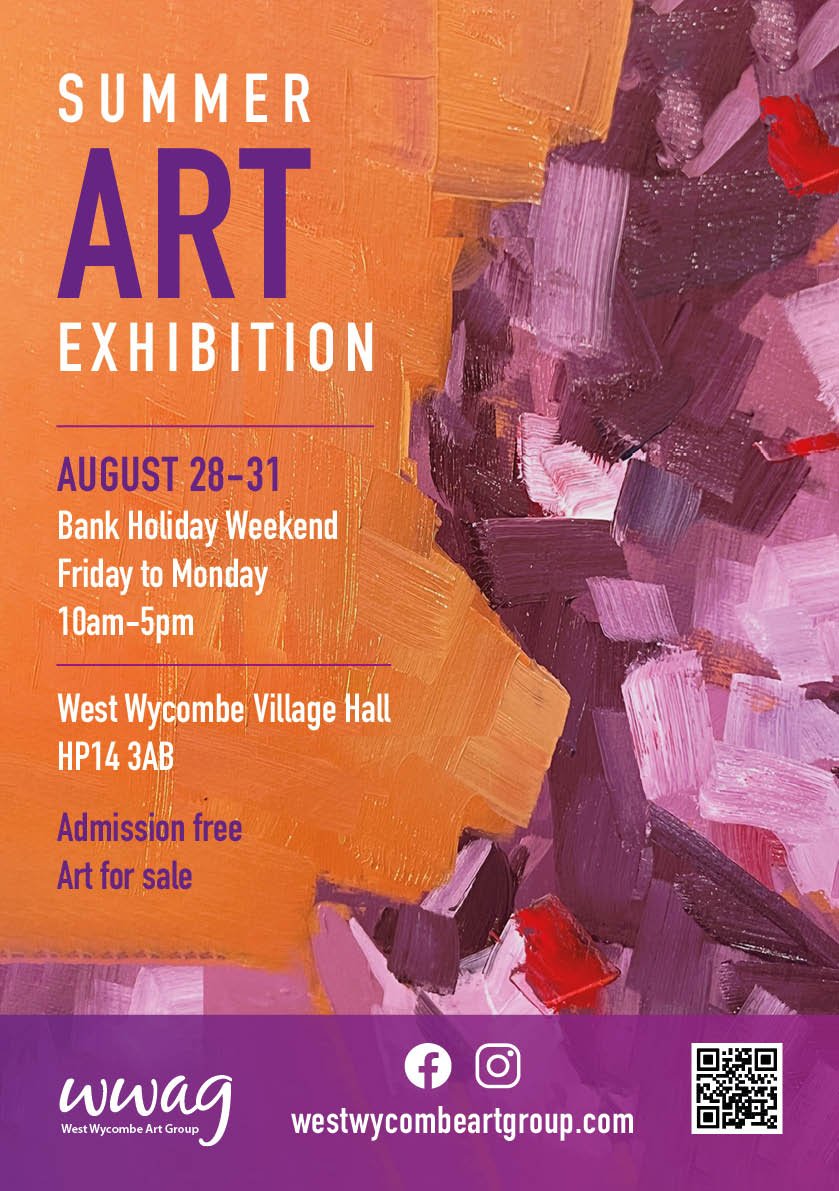
Planning (and painting) is underway for the annual exhibition which will be held in the usual August Bank Holiday weekend slot at the the West Wycombe Village Hall, 28-31 August 2026.
Admission will be free and many of the pieces on display will be on sale. We look forward to sharing more details soon but keep an eye on our social accounts for more information over the coming months.
Go to our instagram page
Go to our facebook page

Painting Selected for National Exhibition
This stunning oil painting created by one of our members, Keith Francis, was accepted by the Royal Society of Marine Artists for inclusion in their prestigious annual exhibition at the Mall Galleries, London in September.
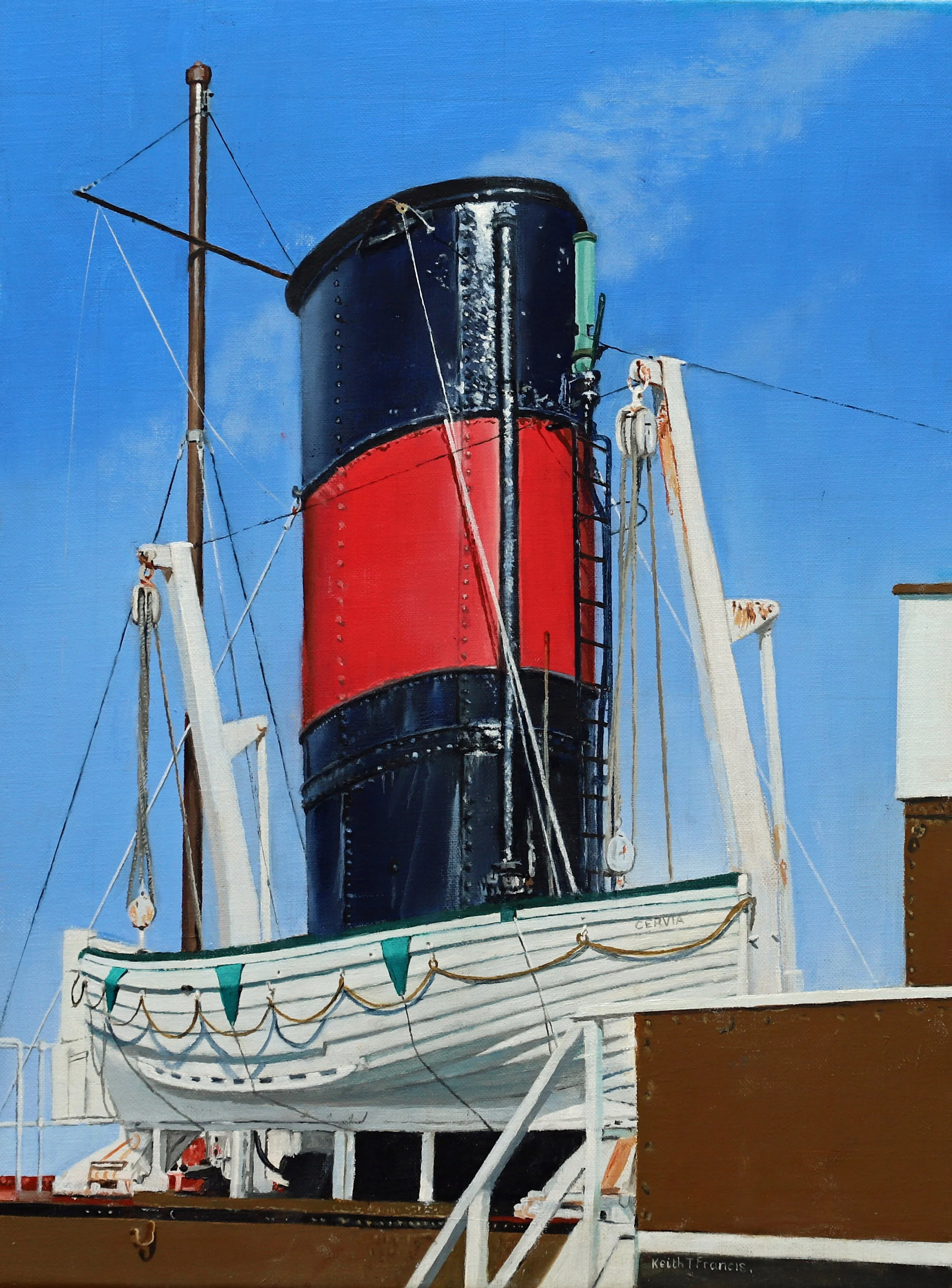
This stunning oil painting created by one of our members, Keith Francis, was accepted by the Royal Society of Marine Artists for inclusion in their prestigious annual exhibition at the Mall Galleries, London in September.
The subject of Keith’s amazing study is the steam tug Cervia, of one of this country’s National Historic Ships berthed at Royal Harbour Ramsgate. The old tug has quite a history, not least its sinking resulting in the loss of four lives including her skipper in 1954. The boat was quickly recovered and went on to become one of the last commercially operating steam tugs in the country.
Cervia is now in the care of The Steam Tug Cervia Preservation Trust who are actively raising monies to preserve this important historic ship.

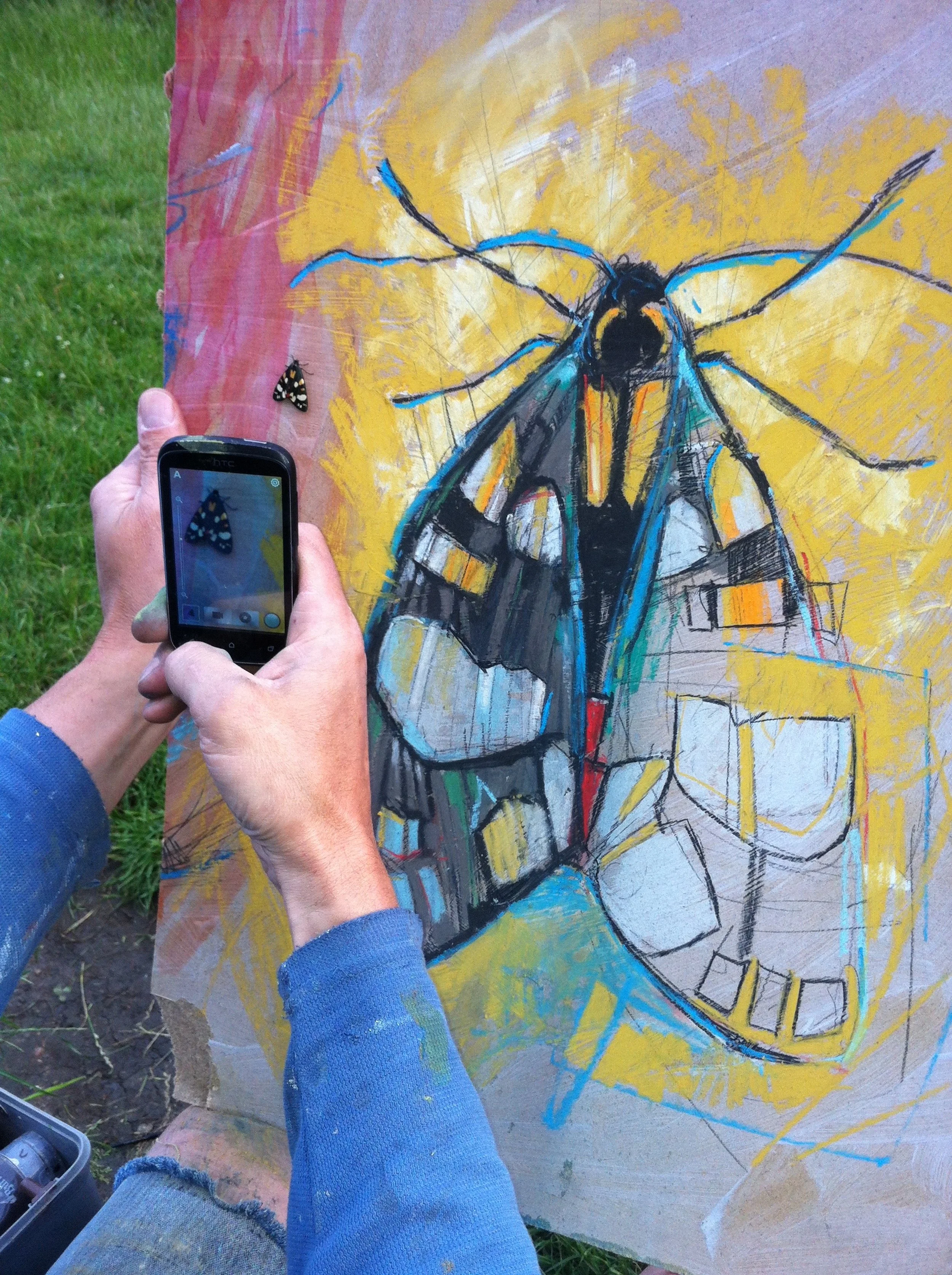
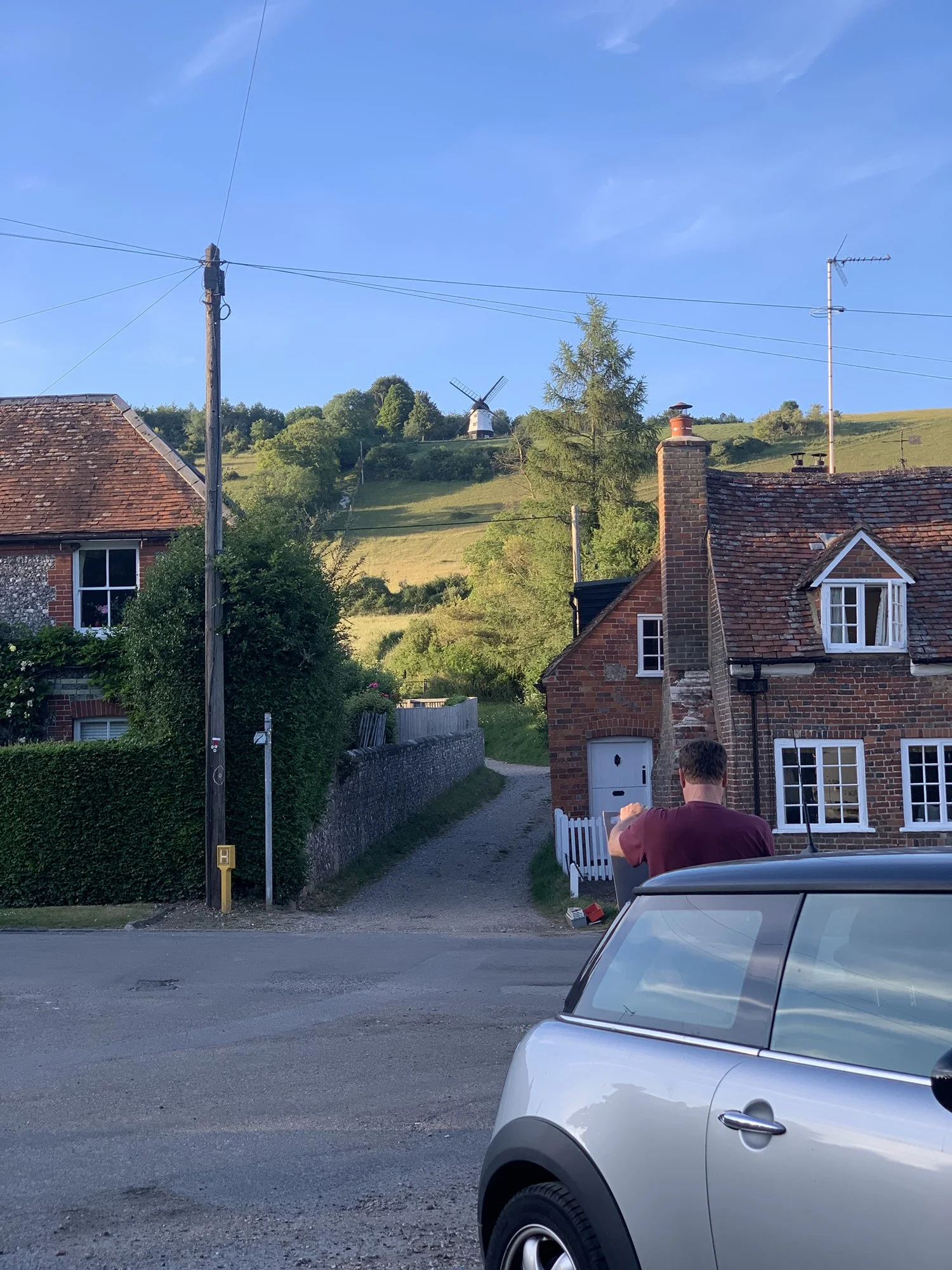
Plein Air - Summer 2022
Always good to get out there and paint – when the weather obliges!



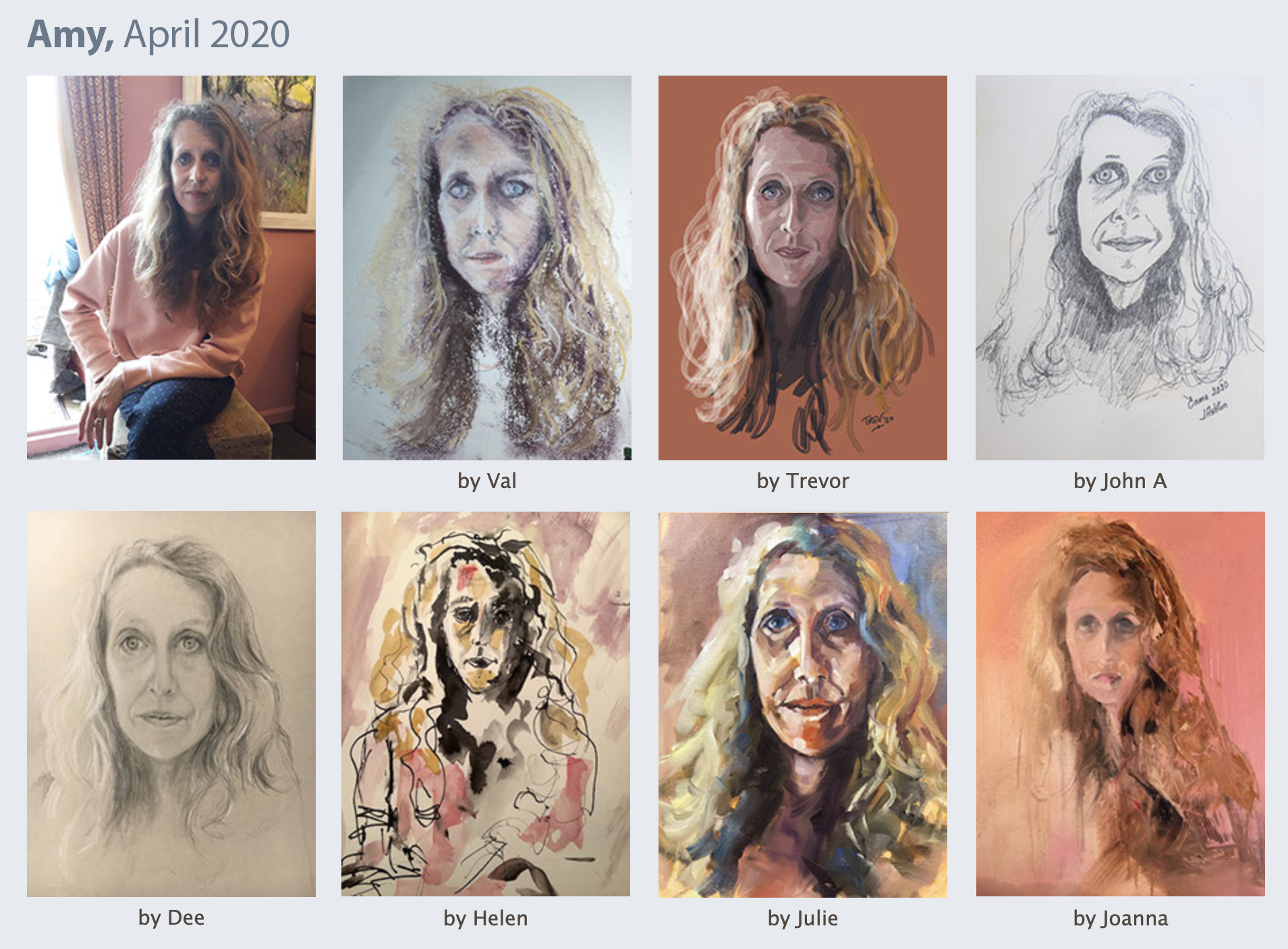
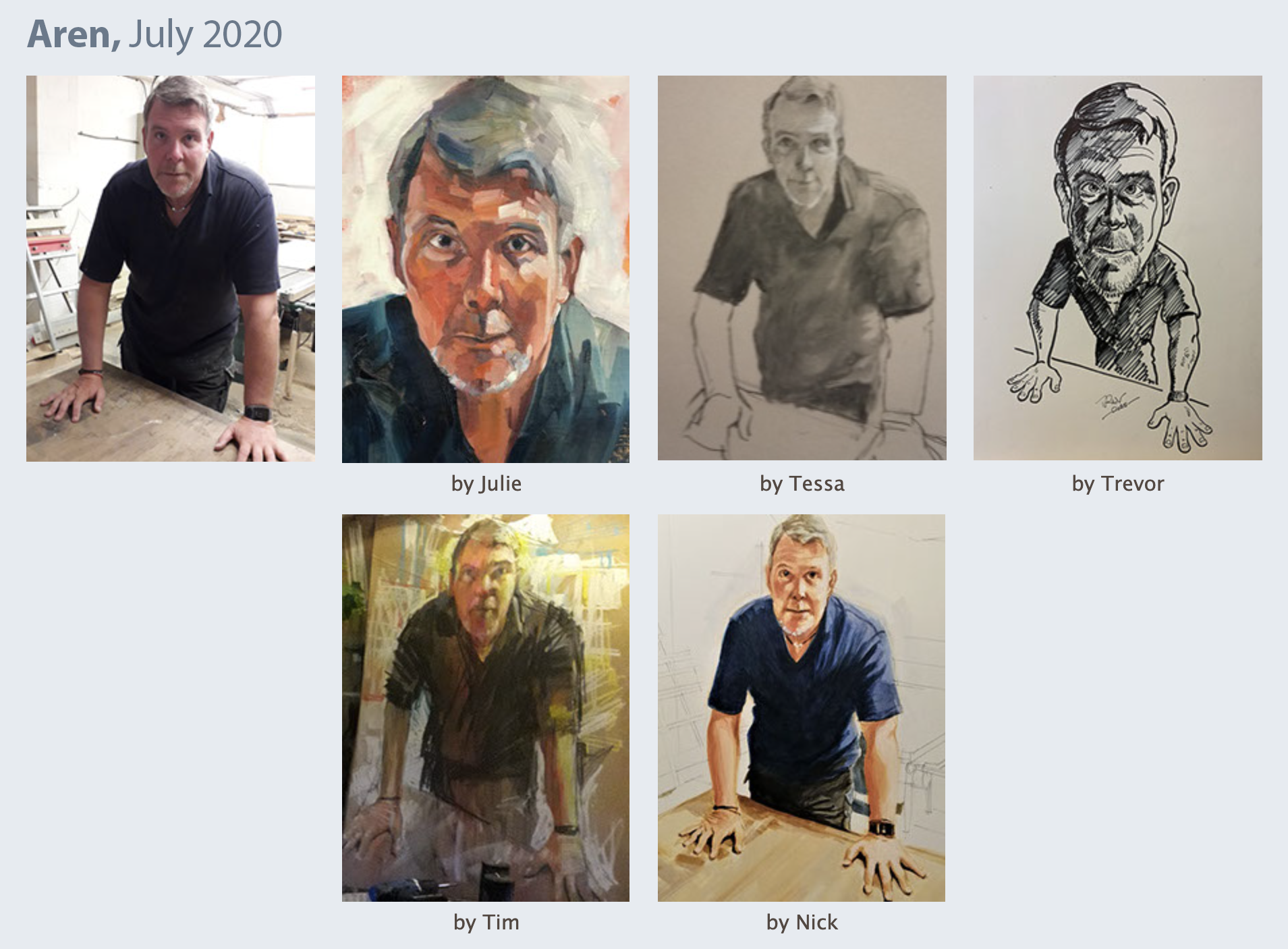
The Lockdown Sessions: Online 2020
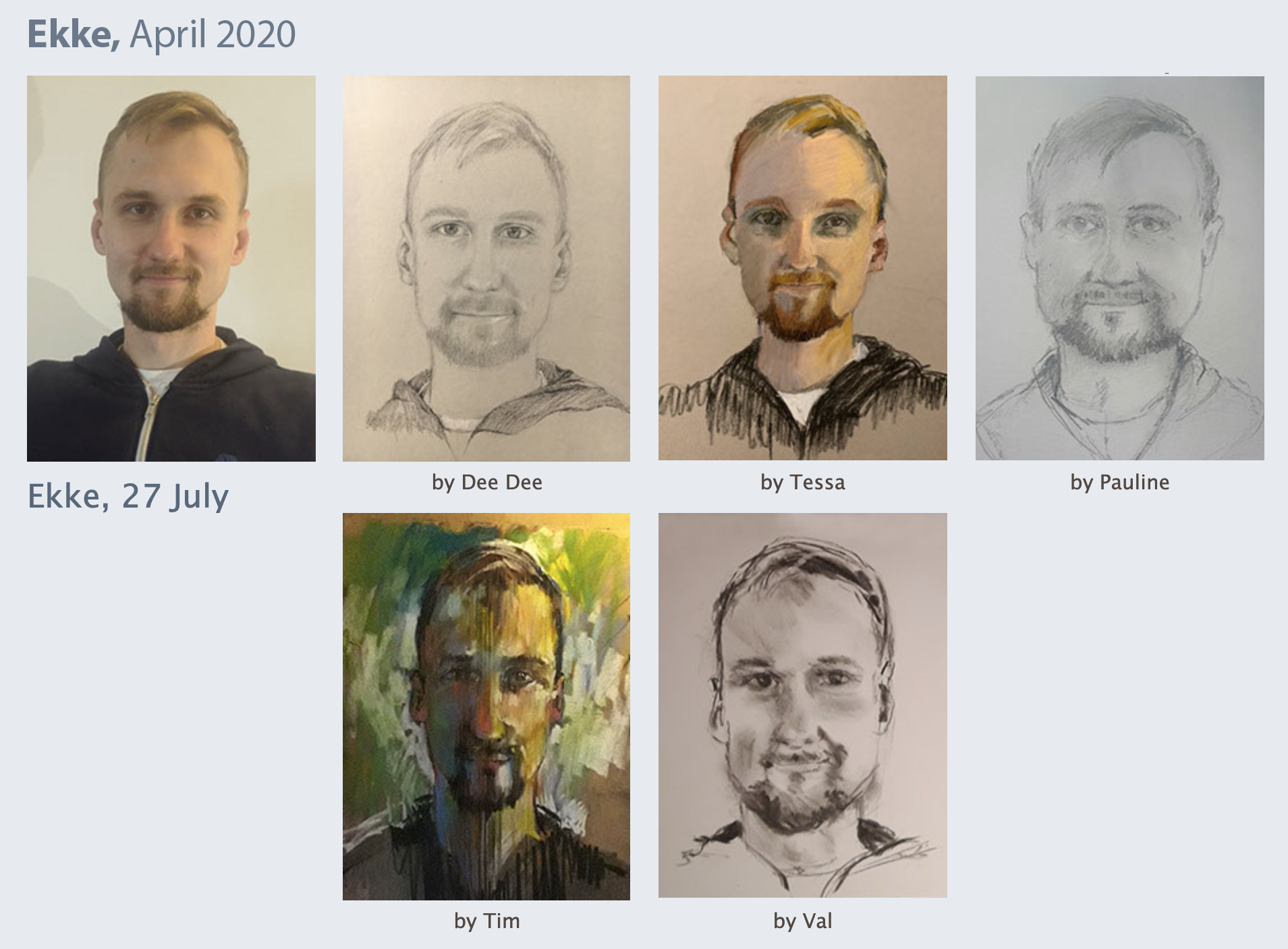
Tim's great idea kept our Monday night club sessions going through the dark days of lockdown. We met online to paint portraits from a shared photograph. Here are some of the results…



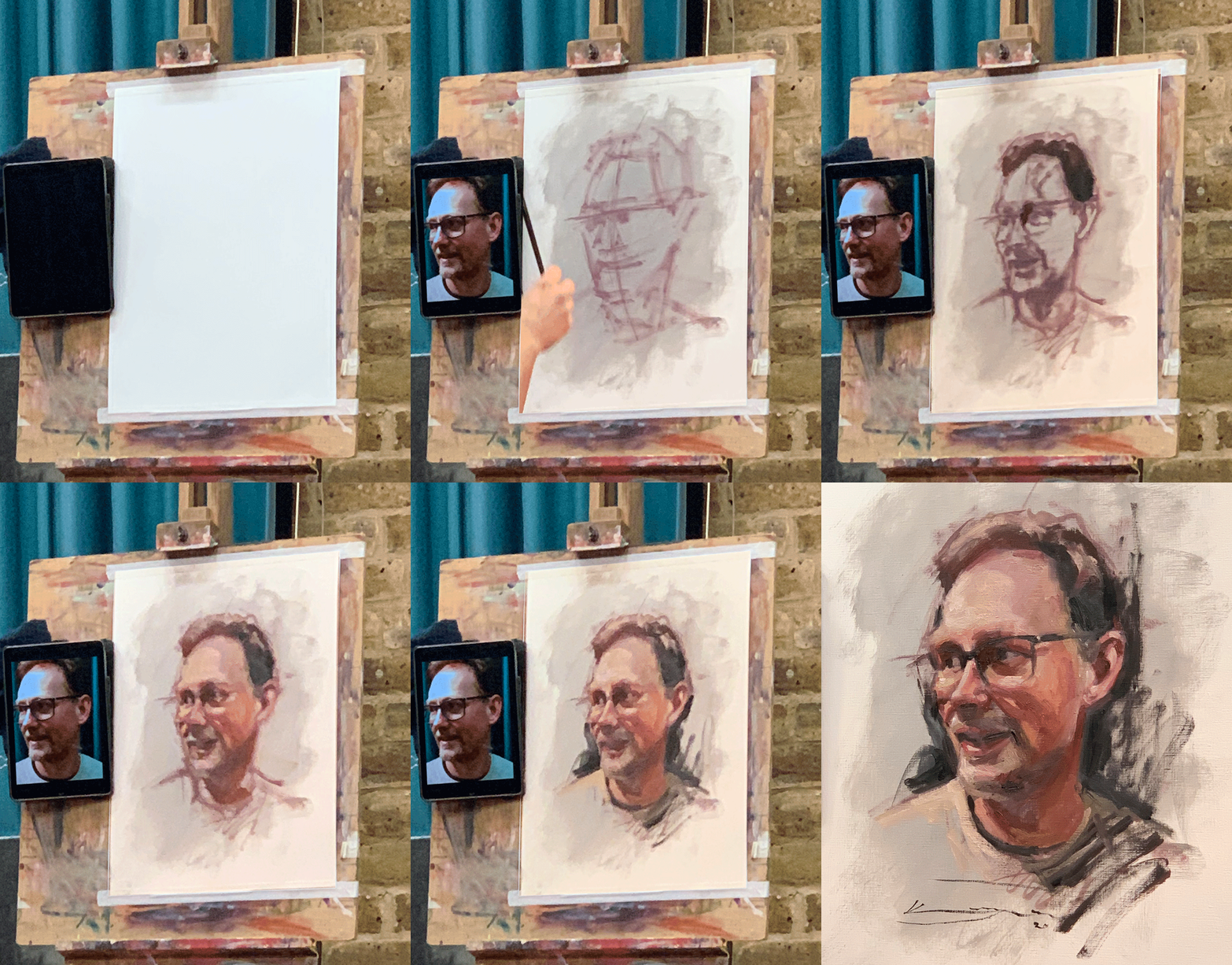
Portrait Demo: Peter Keegan, March 2020
Another great demo from Peter. Working in oils he did this portrait of Stefan in around 90 minutes, while chatting to and entertaining the audience.


Vibrant Acrylics: Demo with Hashim Akib, Jan 2020
It was great to welcome back Hashim Akib with another of his excellent demonstrations in vibrant acrylics. He produced two amazing portraits during his entertaining and informative 2-hour demo..